What Is Net Metering? How Selling Solar Back to the Grid Works
Net metering lets your solar panels earn credit for surplus power sent to the grid. Here is how it works, why the rules matter, and what to check before you buy.
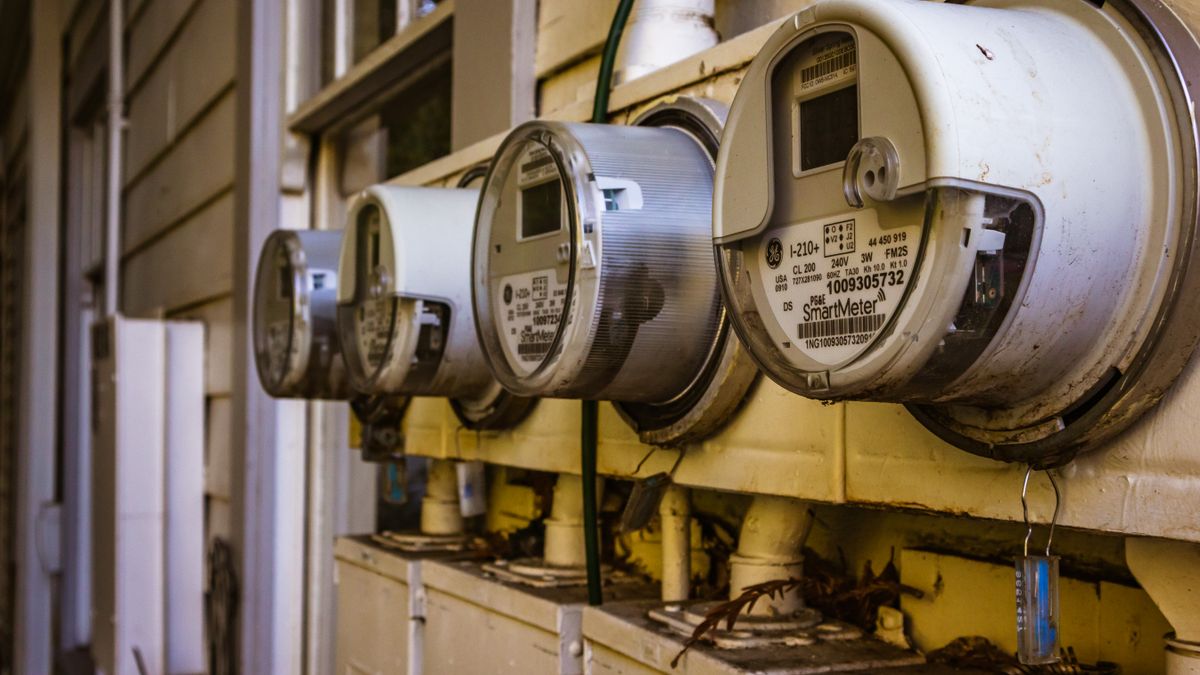
If you’ve researched solar, you’ve run into the phrase “net metering,” usually mentioned as a big reason solar pays off. It’s important, but it’s also one of the most misunderstood parts of going solar, and the rules vary a lot by location. Here’s a plain-English explanation of what it is and why it matters to your savings.
The basic idea
Your solar panels often produce more power than your home is using at that moment, especially on sunny afternoons. Net metering is the arrangement that lets you send that surplus to the grid and get credit for it, which you then draw back on later.
How it works day to day
Think of a single 24-hour cycle:
- Midday: panels produce more than you use. The surplus flows to the grid and you earn credit.
- Evening and night: panels produce little or nothing, so you draw power from the grid, offset by the credit you banked earlier.
Your bill is based on the net difference between what you took from the grid and what you sent back, which is where the name comes from. In a well-sized system, summer surpluses can offset winter shortfalls across the year.
Why the exact rules matter so much
Here’s the catch: “net metering” is a general term, and the specific policy decides how valuable your surplus really is. Watch for these differences:
- Full retail credit. The best case: each exported kWh is worth the same as a kWh you buy. Surplus is as valuable as savings.
- Lower export rate. Increasingly common. You’re paid less for what you export than you pay for what you import, so using your own power matters more.
- Time-of-use pricing. Credit may be worth more when exported at peak times and less off-peak.
- Credit expiry or true-up. Some programs settle up annually and may not pay cash for a yearly surplus, so oversizing can waste energy.
Because these rules change over time and differ by utility, they can meaningfully shift how quickly solar pays off.
What this means for how you buy
The design of your local program should shape your decisions:
- Generous full-retail net metering: exporting is valuable, so sizing to cover most or all of your usage makes strong sense.
- Low export rates: the power you use yourself is worth far more than what you export. This is exactly the situation where a home battery can be worth it, letting you store surplus instead of exporting it cheaply.
Questions to ask before you sign
- What is the current net metering or export policy for my utility?
- Am I paid full retail, or a lower rate, for exported power?
- Do credits roll over, expire, or get cashed out once a year?
- Is the program likely to change, and would I be grandfathered under today’s terms?
A good installer should answer these clearly. If they wave the question away, that’s a red flag.
Bottom line
Net metering is what lets your solar surplus earn its keep, effectively using the grid as a battery for your extra daytime energy. But the value depends entirely on your local rules, so read them before you buy. Where export rates are low, using more of your own power (or adding storage) becomes the smarter play. To see how these credits factor into real returns, read how much solar panels save.
Net metering policies vary by country, region, and utility, and change over time. Confirm the current rules that apply to you before deciding.