Guides
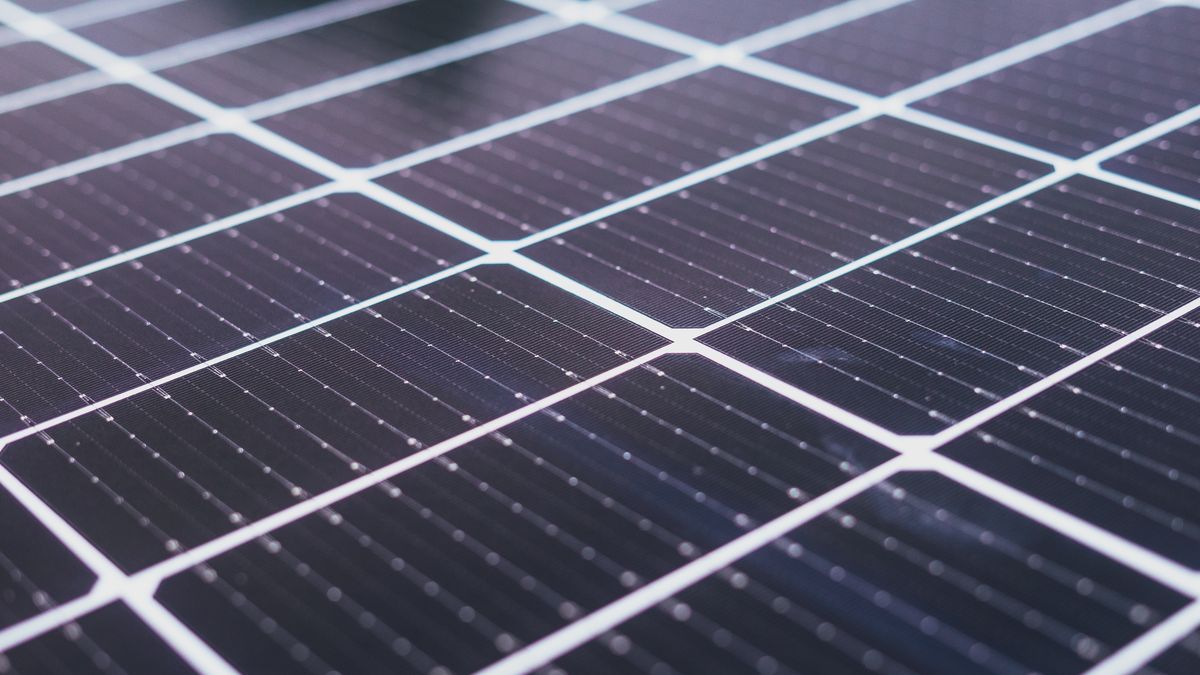
How to Choose the Best Solar Panels: What Actually Matters
Efficiency, warranty, temperature rating, and the installer matter more than the brand name. Here is how to compare solar panels without the marketing noise.

Independent · No sales pitch
Researched, jargon-free answers to the real money questions people ask before buying solar panels, batteries, and home energy upgrades.
Try the cost calculatorEfficiency, warranty, temperature rating, and the installer matter more than the brand name. Here is how to compare solar panels without the marketing noise.
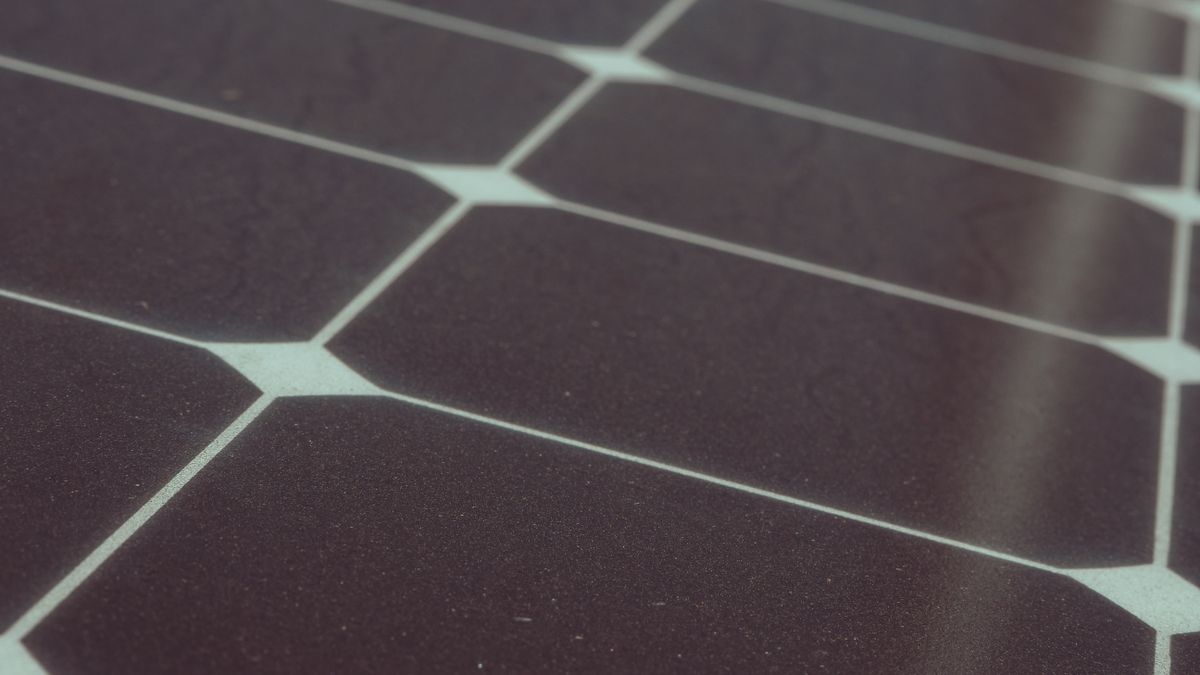
Monocrystalline panels are more efficient and now dominate the market; polycrystalline are cheaper but fading. Here is the real difference and which to choose.
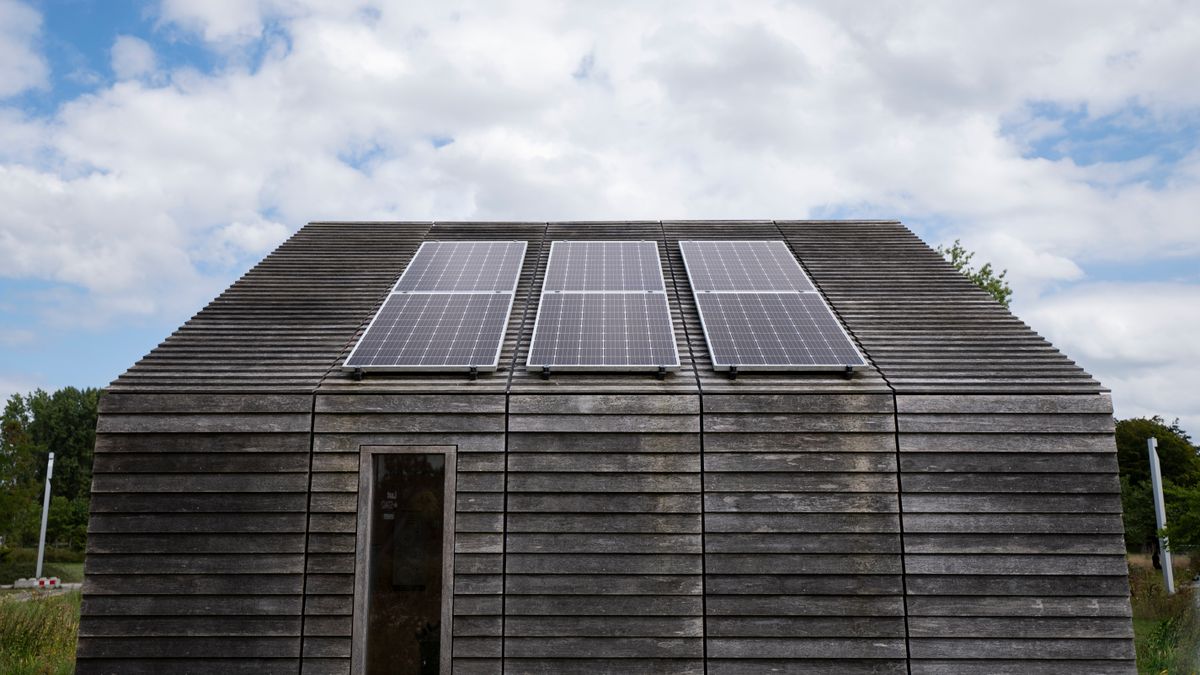
Grid-tied solar is cheaper and simpler for most homes; off-grid means true independence but big batteries and higher cost. Here is how to choose the right setup.
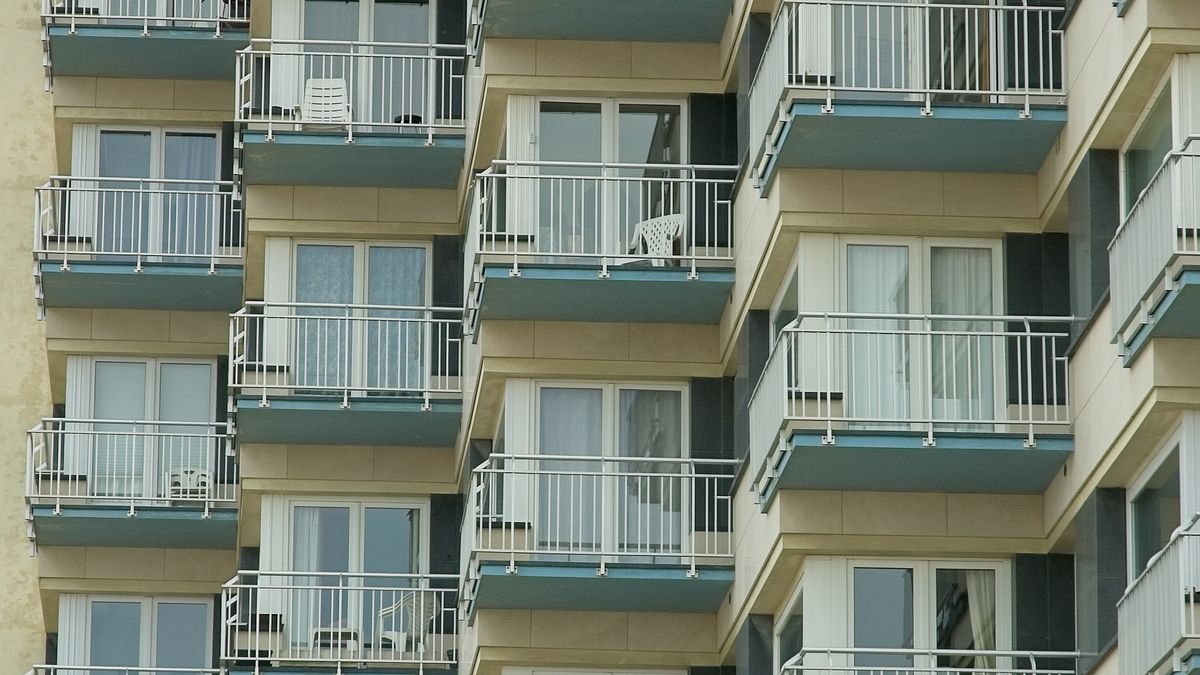
You can't bolt panels to a roof you don't own, but renters and apartment dwellers still have real options: community solar, plug-in panels, and cutting usage.
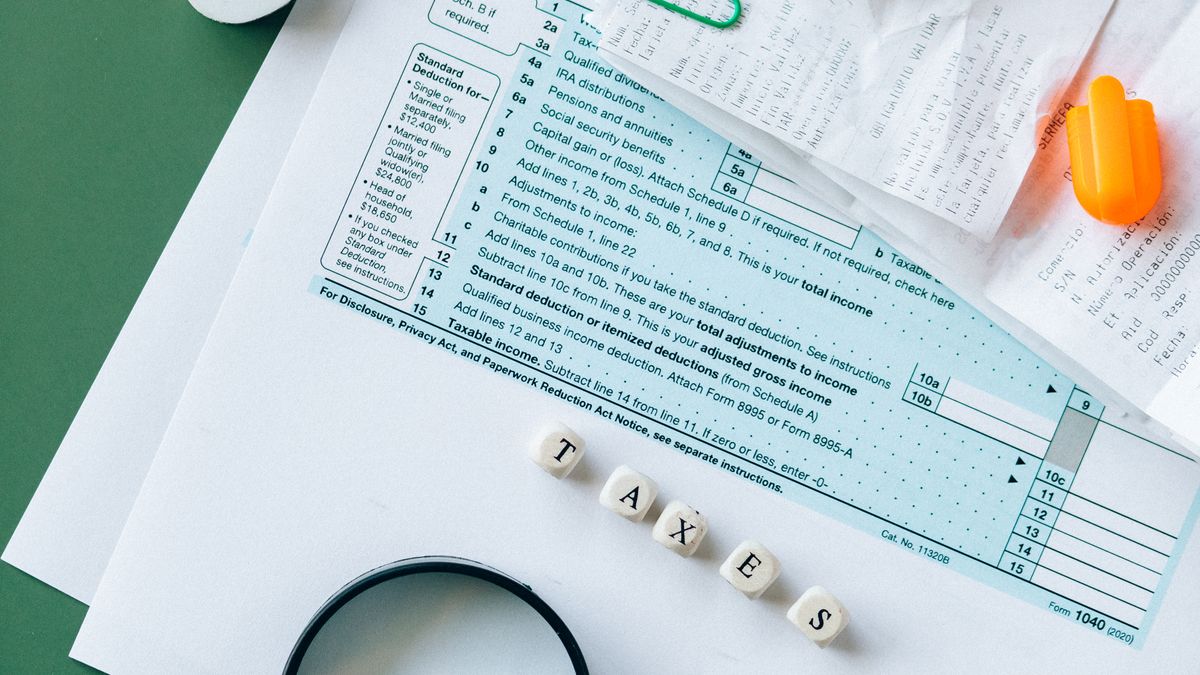
Tax credits, rebates, and net metering can cut solar costs sharply, but they vary by location and change often. Here is how the main types work and how to check.
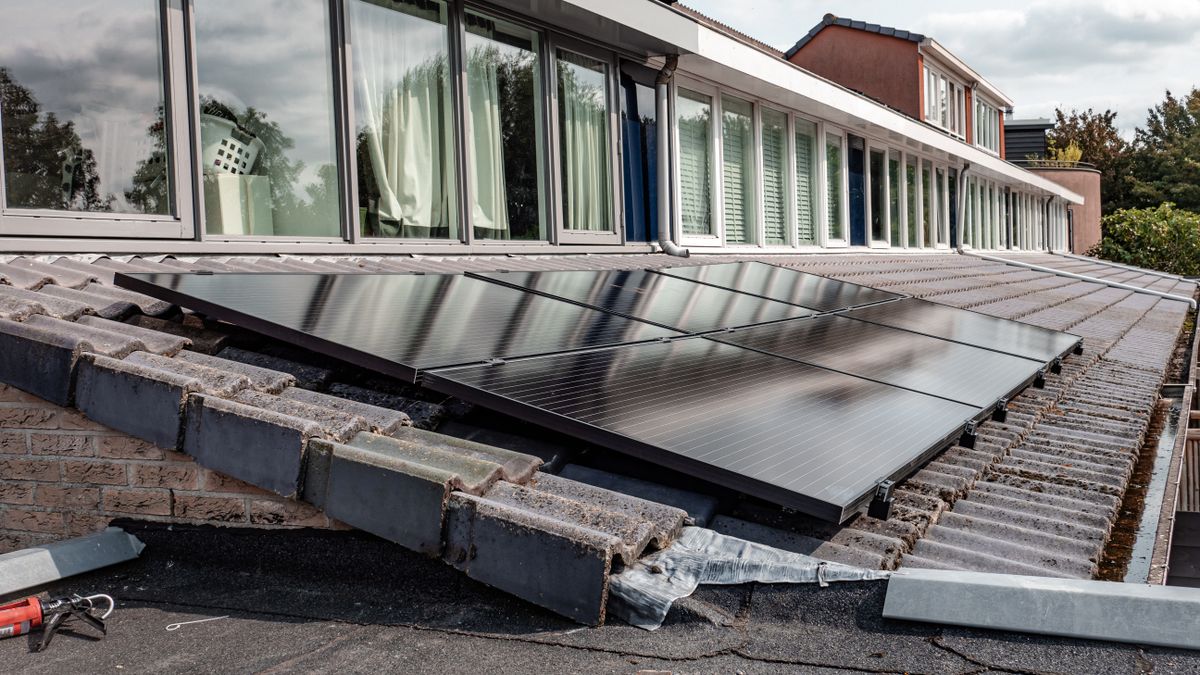
Owned solar panels tend to raise a home's value and help it sell faster, but leased systems can complicate a sale. Here is how to tell the difference.
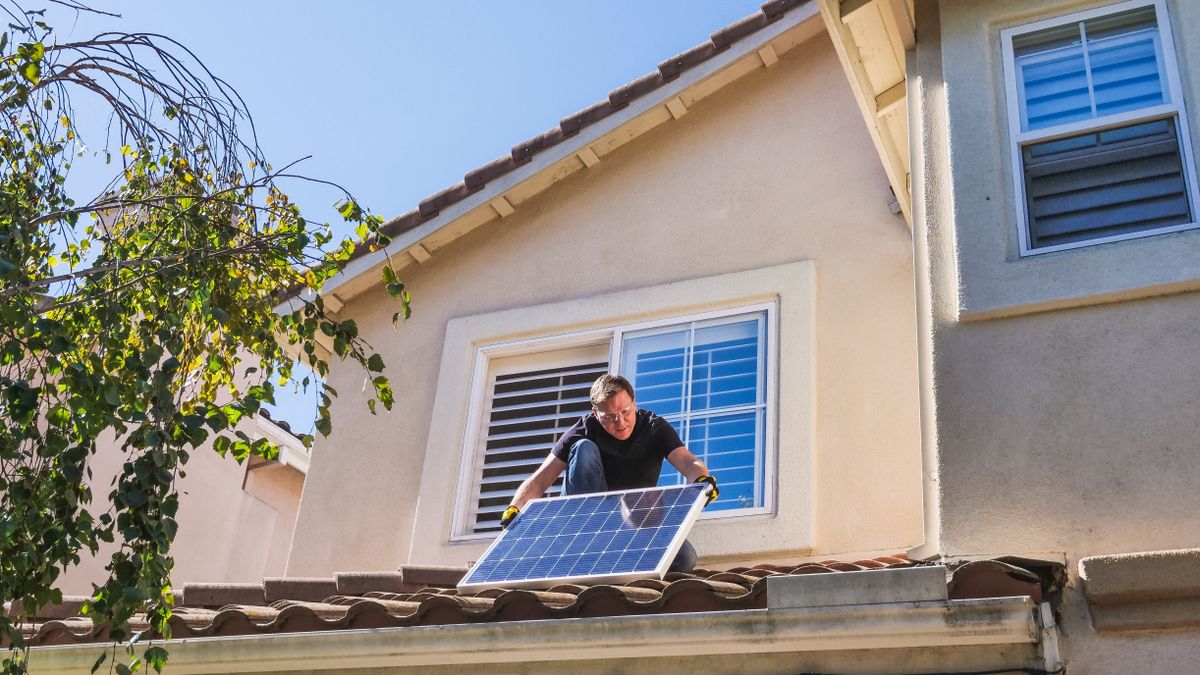
Solar panels need very little maintenance, but not zero. Here is what actually needs doing, how often, and what it costs to keep a system healthy.
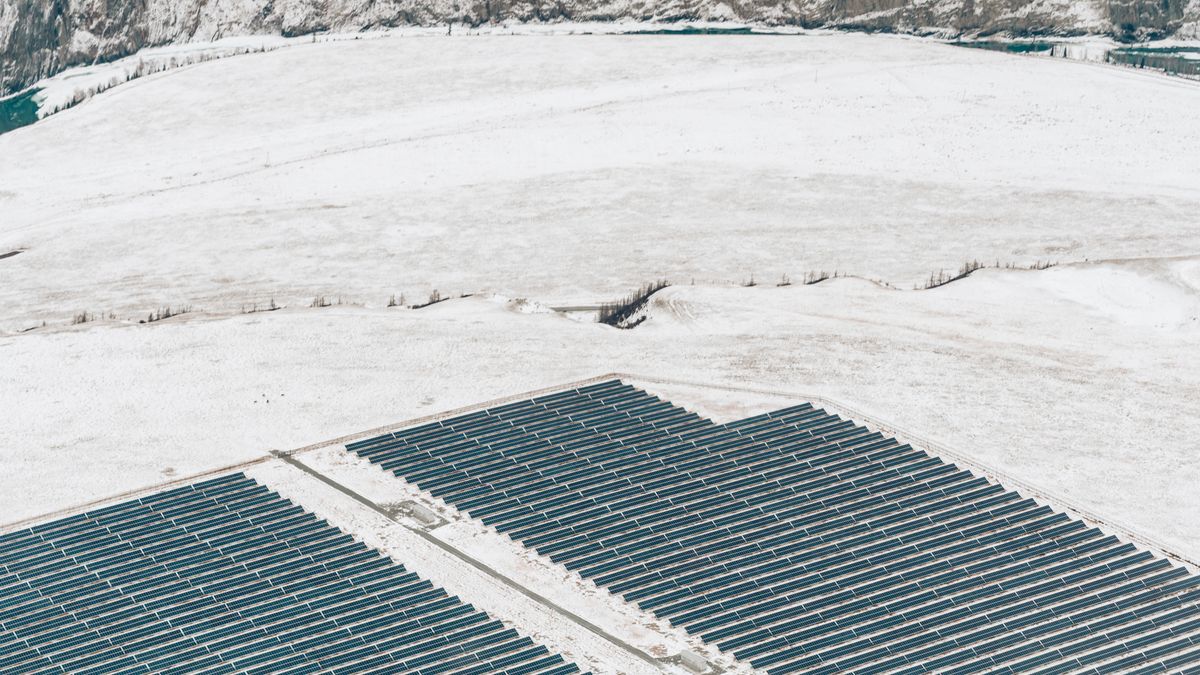
Yes, solar panels work in winter and under clouds, just at reduced output. Here is what cold, snow, and grey skies really do to your production.
Most solar panels last 25 to 30+ years and lose only about 0.5% output per year. Here's what really wears out, how long inverters and batteries last, and how to make a system last longer.
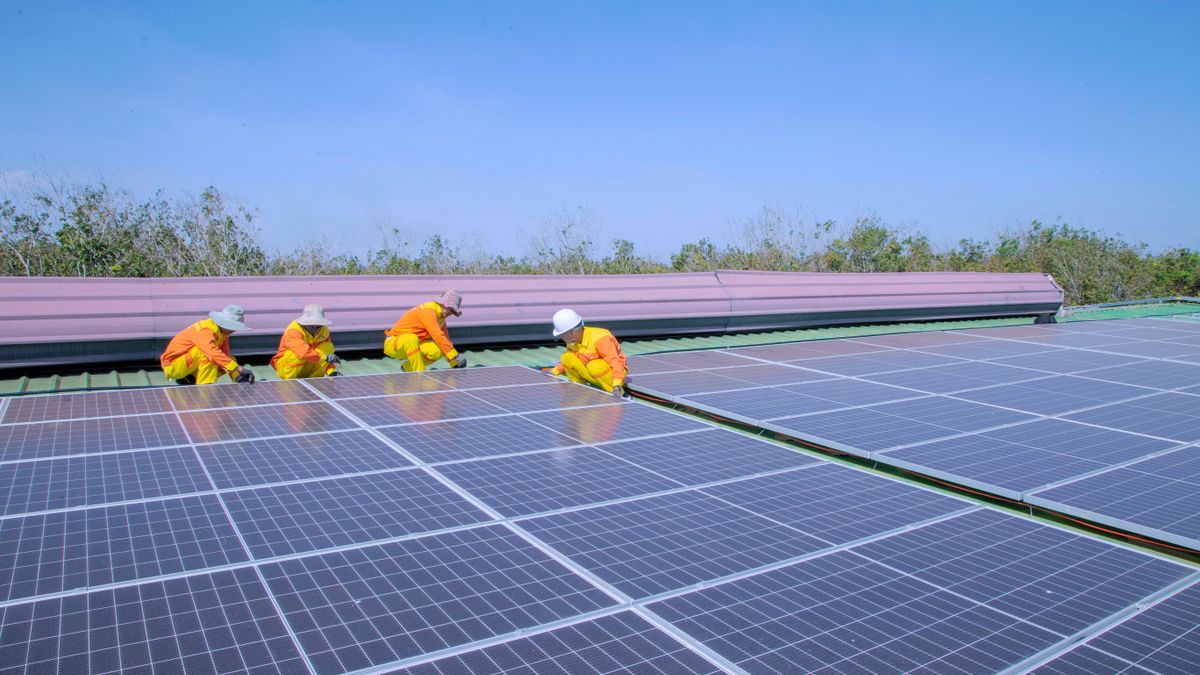
The panels go up in a day or two, but the whole solar process takes weeks. Here is a realistic timeline from first quote to switching the system on.
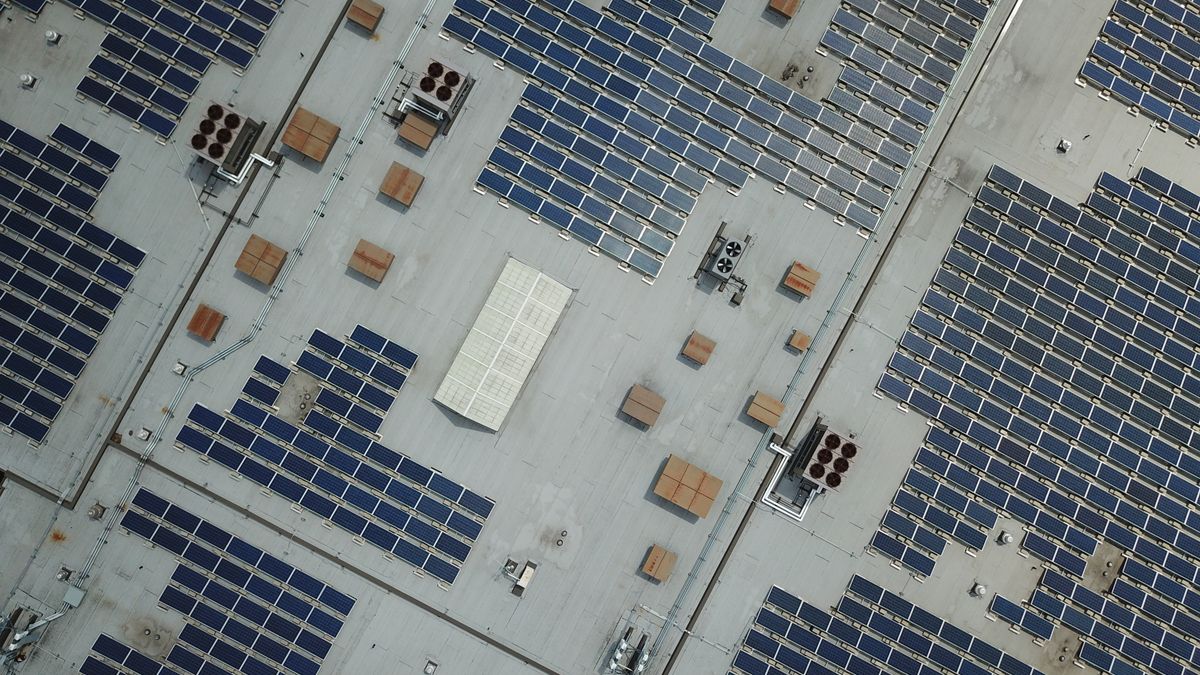
Work out how many solar panels your home needs from your electricity bill, your roof, and your local sunlight, with a clear formula and worked examples.
How much money solar panels save depends on your bill, your sunlight, and your local rates. Here is how to estimate your real savings and lifetime return.
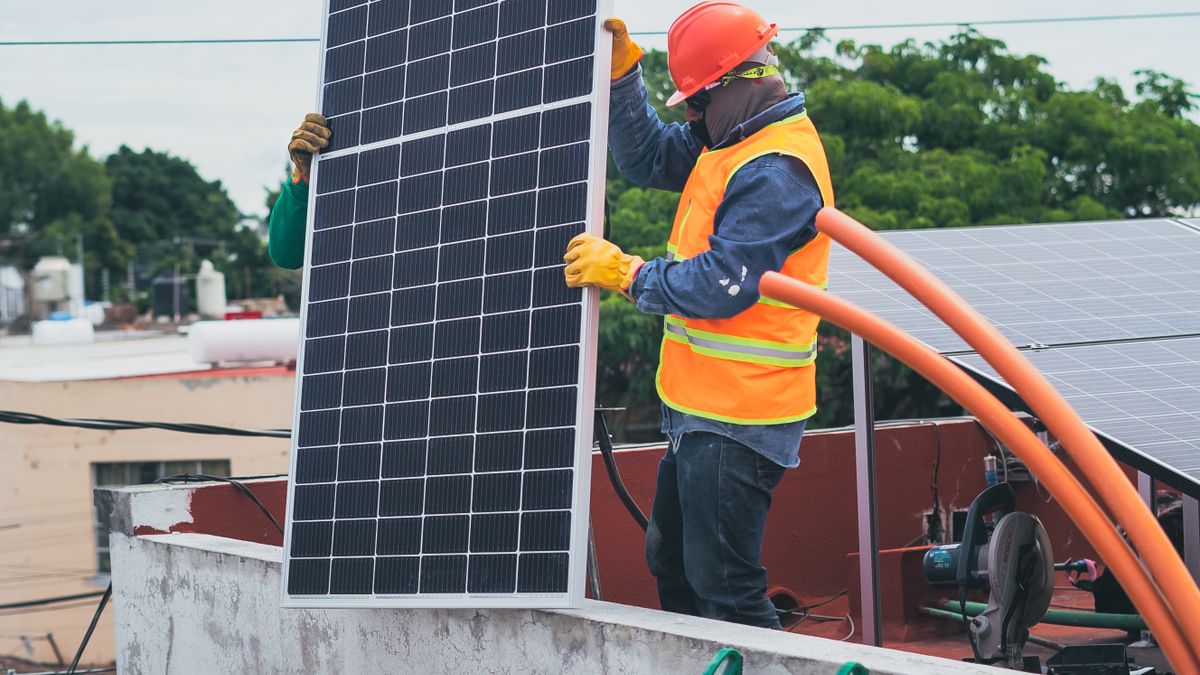
Buying solar saves the most over time; leasing means little or no upfront cost. Here is how cash, loans, and leases really compare so you can choose well.
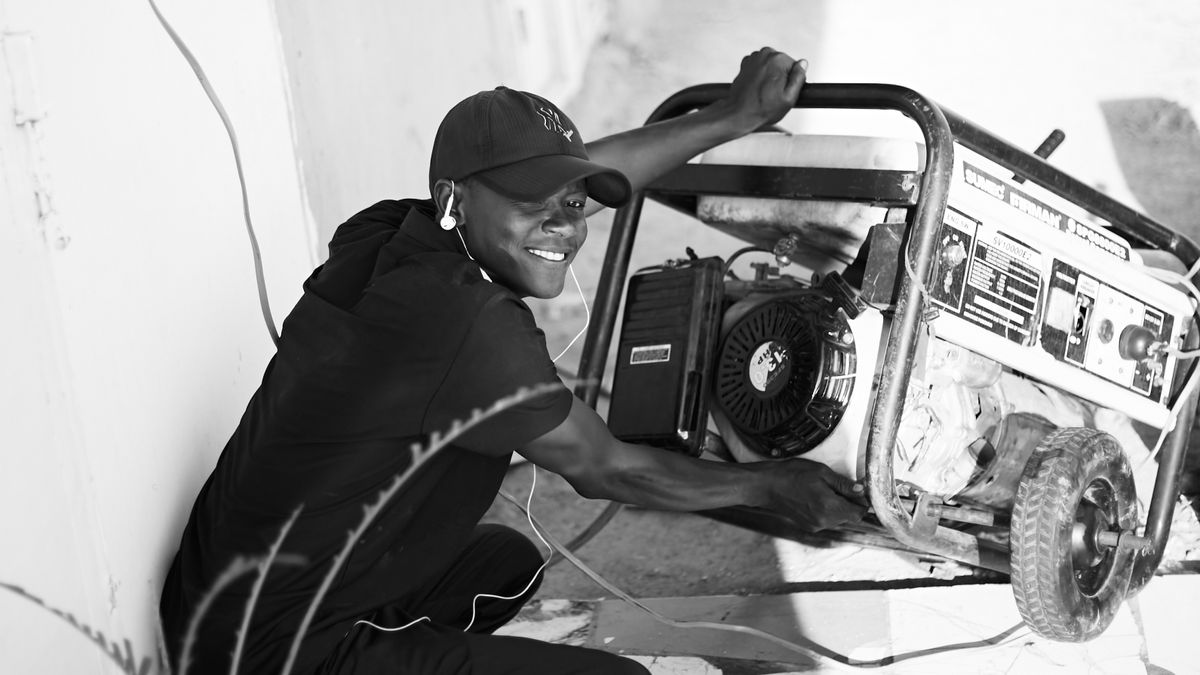
Solar plus a battery and a fuel generator solve different problems. Here is an honest comparison of cost, backup power, and which one fits your situation.
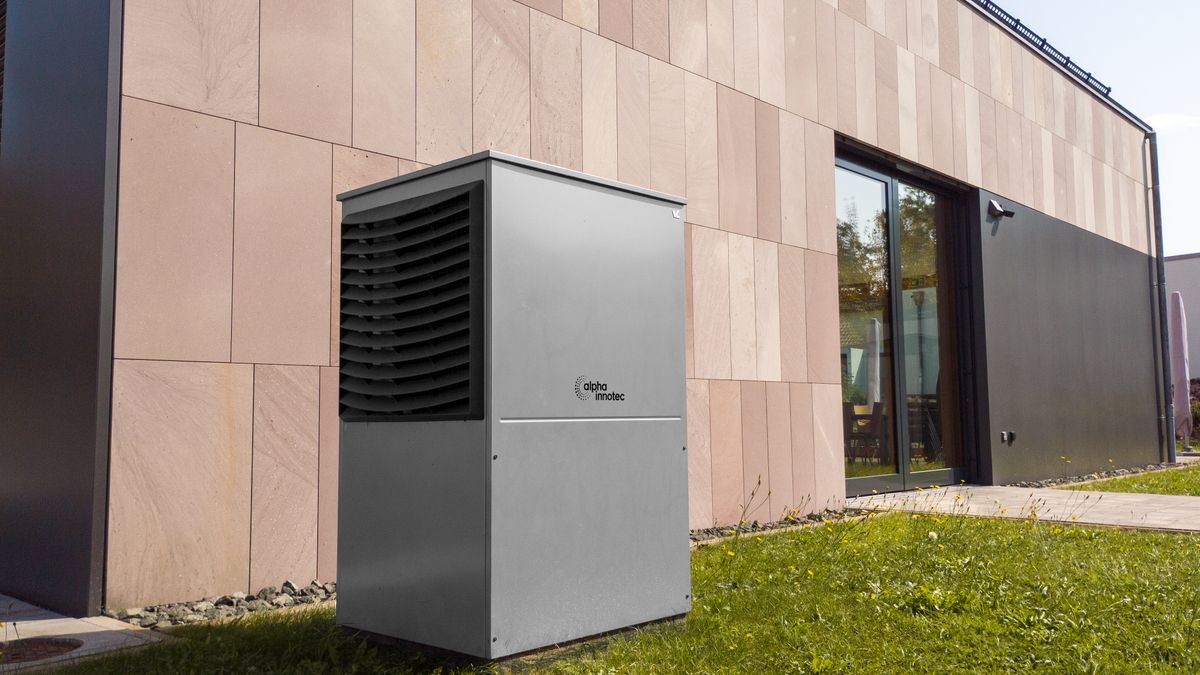
Solar cuts your electricity cost; a heat pump cuts how much energy you use for heating. Here is how to decide which upgrade to buy first, or whether to pair them.
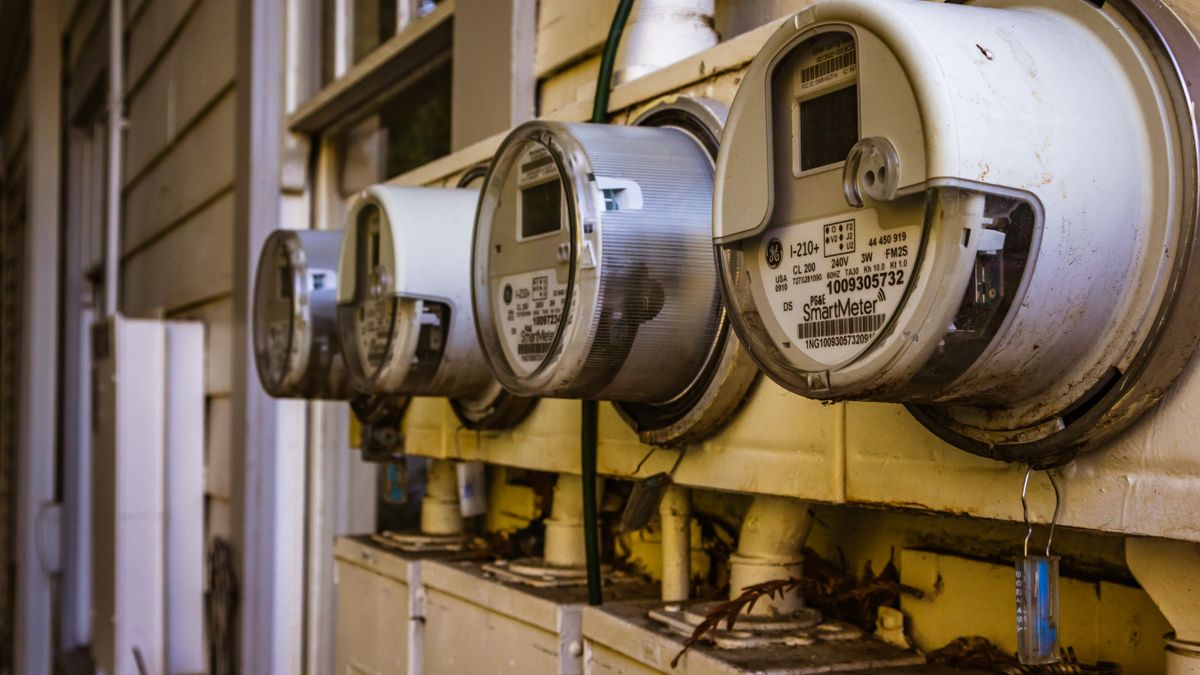
Net metering lets your solar panels earn credit for surplus power sent to the grid. Here is how it works, why the rules matter, and what to check before you buy.
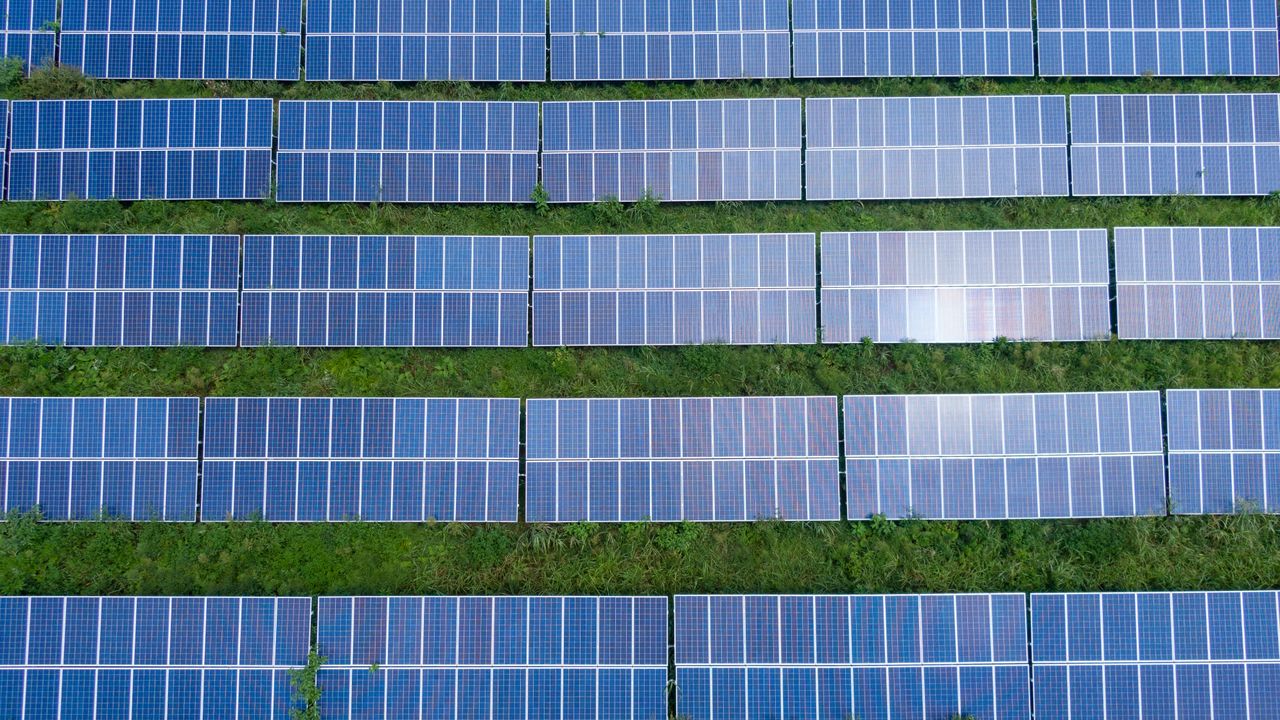
A plain-English walkthrough of how solar panels turn sunlight into electricity you can use at home, from the silicon cell to your wall socket and the grid.
Solar is a big investment. These lower-cost changes often cut your power bill first, ranked by how much they typically save versus how much they cost.
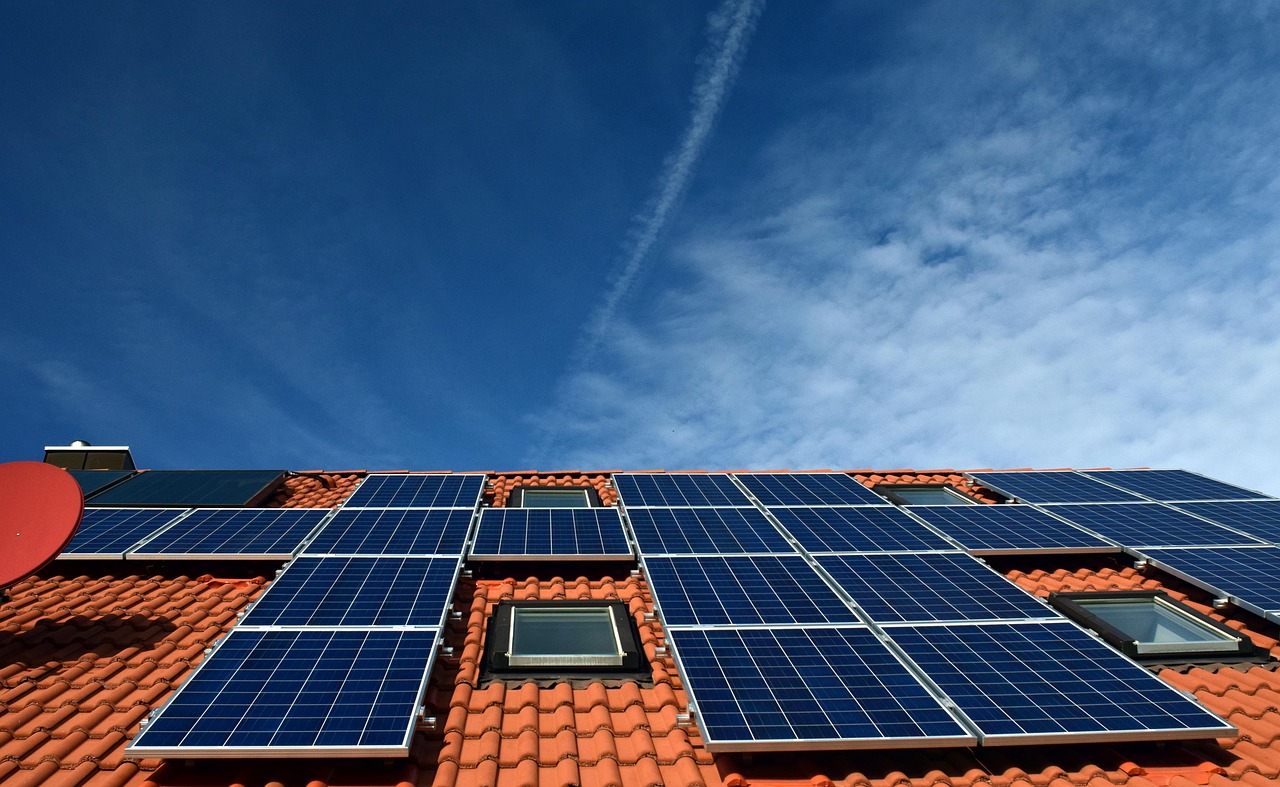
Home batteries sound great, but they're expensive. Here's when a battery genuinely pays off, and when you're better off skipping it.
A realistic look at what a home solar system costs today: the full price, what drives it up or down, and how to tell if a quote is fair.