11 Realistic Ways to Cut Your Electricity Bill (Before You Even Consider Solar)
Solar is a big investment. These lower-cost changes often cut your power bill first, ranked by how much they typically save versus how much they cost.
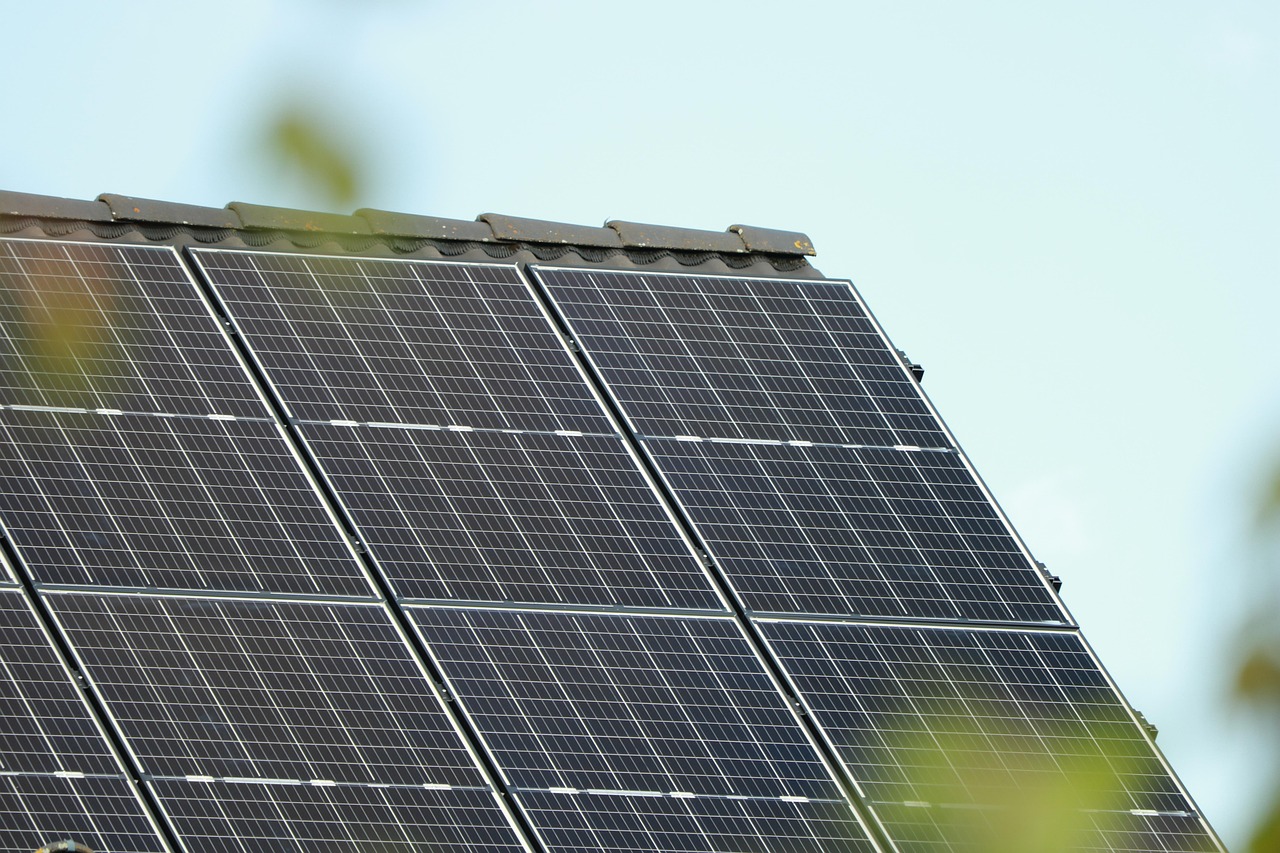
Before you spend twenty-thousand-plus on solar panels, it’s worth asking a cheaper question: how much of your electricity bill could you cut without them? For a lot of homes, the answer is “more than you’d think.” Here are eleven changes, roughly ordered from best bang-for-buck to nice-to-have.
Start by understanding your bill
You can’t cut what you don’t measure. Pull up your last 12 months of bills and look for two things: your total annual usage and your seasonal spikes. Big summer or winter spikes almost always point to heating or cooling, which is where the real money hides.
The high-impact, low-cost moves
1. Fix your heating and cooling settings. Heating and cooling are usually the single largest chunk of a home’s electricity use. Adjusting your thermostat a few degrees and using a programmable or smart schedule (so you’re not cooling/heating an empty house) is the cheapest big win available.
2. Seal air leaks. Gaps around doors, windows, and where pipes enter the house make your HVAC work overtime. A few dollars of weatherstripping and caulk can quietly pay for itself.
3. Switch remaining bulbs to LED. If you still have any old incandescent or halogen bulbs, LEDs use a fraction of the power and last for years. This one is close to free money.
4. Attack “vampire” loads. Devices that draw power while “off”: entertainment centers, chargers, old set-top boxes. Smart power strips that cut power to idle devices handle this automatically.
The medium-cost, medium-return moves
5. Wash clothes in cold water and air-dry when you can. Heating water for laundry is a surprising energy cost. Cold-water detergents work well now.
6. Run big appliances off-peak (if you have time-of-use rates). If your utility charges more at certain hours, shifting the dishwasher, laundry, and EV charging to cheaper hours cuts the bill with zero hardware.
7. Maintain your HVAC. Dirty filters and neglected systems run inefficiently. A clean filter and an occasional service keep it from burning extra power.
8. Add insulation where it’s thin. Attic insulation in particular can dramatically reduce heating and cooling loads. Higher upfront cost, but a long payback of ongoing savings.
The bigger investments (still often cheaper than solar)
9. Upgrade the biggest energy hogs. An aging refrigerator, water heater, or HVAC unit can use far more power than a modern efficient one. When they’re due for replacement anyway, efficiency pays.
10. Consider a heat pump. For many homes, a modern heat pump handles both heating and cooling far more efficiently than older systems, often the single biggest efficiency upgrade short of solar.
11. Get an energy audit. Many utilities offer cheap or free home energy audits that pinpoint exactly where your money is leaking. This turns all the advice above into a specific to-do list for your house.
Bottom line
Solar is powerful, but it’s the expensive step. Squeeze the cheap savings first: tune your heating and cooling, seal leaks, kill vampire loads, and shift usage to off-peak. Do that, and whatever solar system you eventually buy can be smaller, cheaper, and pay off faster.
Savings vary by home, climate, and local energy prices. Use these as a starting checklist, not a guarantee.