Do Solar Panels Need Maintenance? What Upkeep Really Costs
Solar panels need very little maintenance, but not zero. Here is what actually needs doing, how often, and what it costs to keep a system healthy.
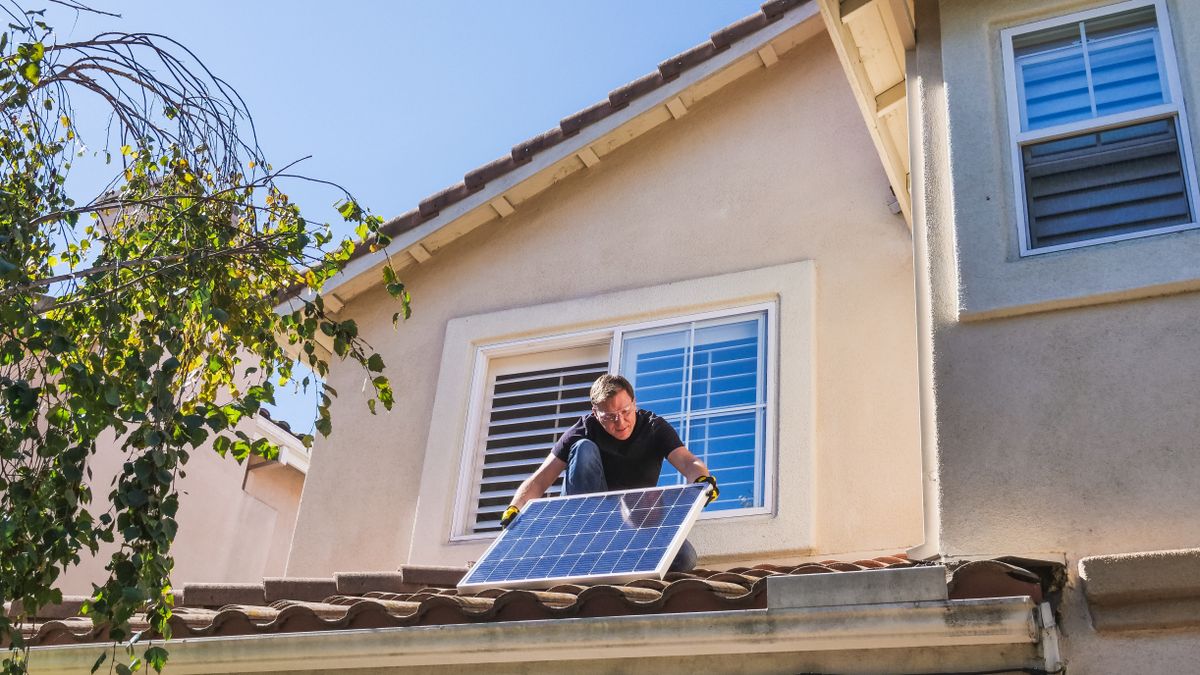
One of solar’s best selling points is how little attention it needs. With no moving parts, a rooftop system mostly just sits there and works for decades. But “low maintenance” is not the same as “no maintenance.” Here’s an honest look at what solar panels actually need, how often, and what it costs.
The short answer
For most homes, panel upkeep means the occasional clean, keeping an eye on your production numbers, and replacing the inverter once during the system’s life. That’s genuinely most of it. Annual costs are usually small.
Cleaning: less than you think
Panels are smooth, angled, and self-cleaning to a large degree. In most places, rain does the majority of the work, washing off dust and pollen. You often don’t need to clean them at all.
You may want an occasional clean if:
- You live somewhere very dry and dusty where rain is rare.
- There’s heavy pollen, bird droppings, or leaves building up.
- You’re near farmland, a busy road, or industry that coats surfaces.
When cleaning is needed, water and a soft brush or squeegee usually do it. Avoid harsh chemicals and abrasive tools. And if the panels are hard to reach safely, hire someone rather than risk a fall; a professional clean is inexpensive compared with an injury.
Monitoring: your early warning system
Almost every modern system comes with an app or portal showing daily production. This is your most valuable “maintenance” habit and it takes seconds:
- Glance at output now and then, especially after storms.
- A sudden, unexplained drop can mean shading, dirt, or a hardware fault.
- Catching a problem early is the difference between a quick fix and months of quietly lost savings.
The inverter: the one part you’ll likely replace
Panels routinely last 25 to 30+ years, but the inverter (which converts the panels’ DC power into usable AC) usually has a shorter life:
- String inverters often last around 10 to 15 years, so expect one replacement during the system’s lifetime.
- Microinverters typically last longer, often carrying warranties close to the panels themselves.
Budgeting for one inverter replacement is the single biggest planned maintenance cost most owners face. It’s worth setting aside for it rather than being surprised.
What rarely goes wrong
- Panels themselves seldom fail and carry long performance warranties.
- Racking and wiring are built for decades of weather.
- Squirrels or birds nesting under panels are an occasional nuisance; mesh guards solve it cheaply if it happens.
A realistic maintenance budget
| Item | Frequency | Rough cost |
|---|---|---|
| Cleaning (if needed) | Zero to once a year | Low, or free if rain does it |
| Monitoring | Ongoing, DIY | Free |
| Inspection (optional) | Every few years | Low |
| Inverter replacement | Once in ~10 to 15 years | The main planned cost |
Compared with almost any other home system, this is remarkably light upkeep.
Bottom line
Solar panels need very little maintenance: mostly the odd clean, a quick habit of checking your production app, and planning for one inverter replacement over the system’s long life. Keep an eye on the numbers, stay off risky roofs, and the system largely takes care of itself. For how that long life plays out, see how long solar panels last.
Maintenance needs vary with climate, equipment, and installation quality. Follow your installer’s guidance and warranty terms.