How Long Do Solar Panels Last? Lifespan, Warranties & Real Numbers
Most solar panels last 25 to 30+ years and lose only about 0.5% output per year. Here's what really wears out, how long inverters and batteries last, and how to make a system last longer.
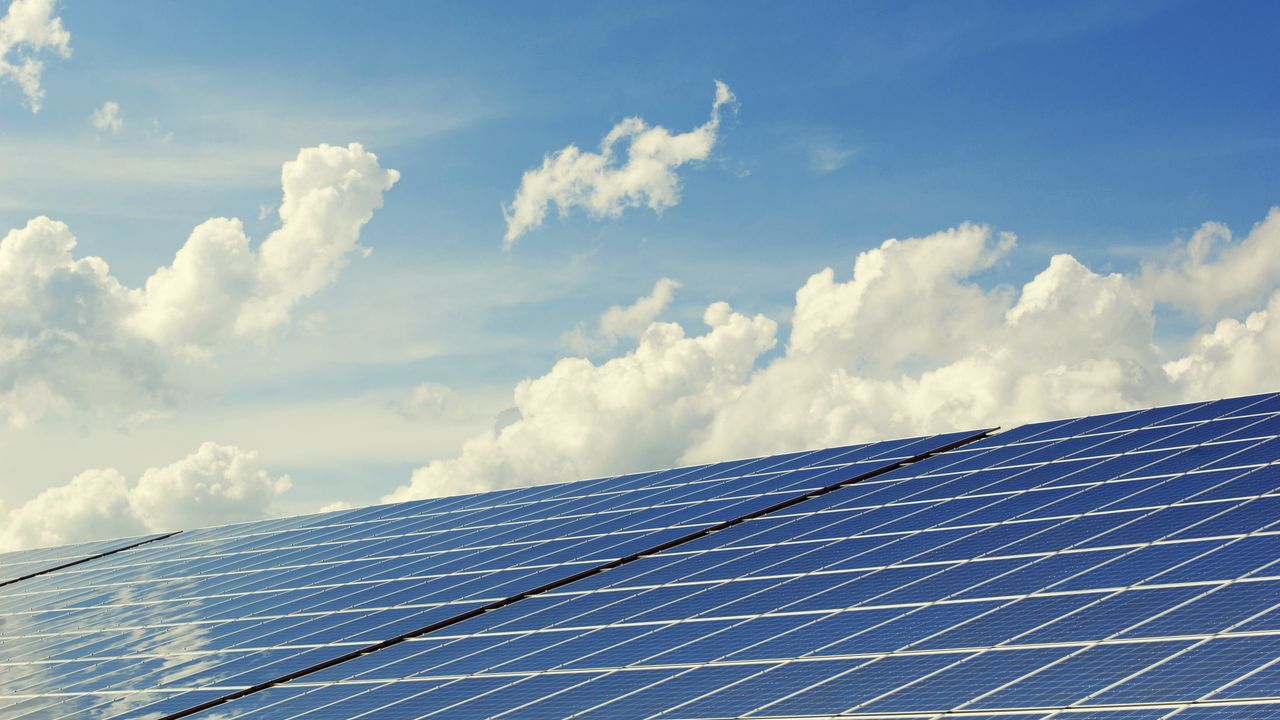
Solar panels are one of the longest-lasting things you can bolt to a house. Most quality panels are built to keep working for 25 to 30 years or more, and many installed in the 1980s and 1990s are still producing power today. When people ask “how long do solar panels last,” the honest answer is: longer than almost any other part of your home’s energy setup, and longer than the loan you’d use to pay for them.
But “last” is a slippery word. A panel doesn’t just switch off one day. It fades slowly, and the other parts of the system have their own, shorter lifespans. Here’s the complete, plain-English picture.
The short answer
That 25 to 30 year figure is why panels carry long warranties, why the financial math works, and why solar is treated as a multi-decade investment rather than a gadget you replace every few years.
What “lifespan” actually means for a solar panel
Unlike a phone battery or a car, a solar panel rarely “dies.” Instead, it degrades: it produces a tiny bit less electricity each year as the silicon and materials age under constant sun, heat, and weather.
The industry measures this with the degradation rate, the percentage of output a panel loses annually.
- Older or budget panels: around 0.75% to 1% per year.
- Modern quality panels: around 0.3% to 0.5% per year.
At 0.5% per year, the math is gentle. After:
| Years in service | Approx. output remaining |
|---|---|
| 1 year | ~99% (after a small first-year settle) |
| 10 years | ~95% |
| 25 years | ~87% |
| 30 years | ~85% |
| 40 years | ~80% |
So a 30-year-old panel isn’t broken. It’s just quietly producing about 85% of its original power. For most homes, that’s still plenty of useful electricity.
Why 25 years? The warranty explained
You’ll see two different warranties on a good solar panel, and they mean different things:
- Product (workmanship) warranty covers defects in the panel itself: typically 10 to 25 years, with premium brands now offering 25 years.
- Performance (power) warranty guarantees the panel will still produce at least a certain percentage of its rated output after a set time. A common promise is at least 85 to 92% of output after 25 years.
What actually wears out a solar panel
Panels are remarkably durable: no moving parts, sealed against weather, and tested against hail, wind, and temperature swings. But a few things do age them:
- Heat. Ironically, extreme heat (not sunlight) is the biggest stressor. Hot climates can push degradation slightly faster.
- Thermal cycling. Daily heating and cooling makes materials expand and contract, which can eventually cause tiny cracks (microcracks) in cells.
- Moisture ingress and delamination. If the seal fails over decades, moisture can get in and cloud or corrode the cell. Quality panels resist this well.
- UV exposure. Slowly yellows or degrades the encapsulant and backsheet.
- Physical damage. Hail, falling branches, or careless footsteps during roof work. This is damage, not wear, and is often covered by home insurance.
What is not a real threat: normal rain (it helps clean them), cold weather (panels actually run more efficiently when cool, see how solar panels work), and everyday dirt, which typically costs only a few percent of output.
The part that fails first: the inverter
Here’s the catch most people miss. The panels last 25 to 30+ years, but the inverter, which converts the panels’ DC electricity into the AC your home uses, does not.
- String inverters (one central unit): typically 10 to 15 years. Expect to replace one at least once during the panels’ life.
- Microinverters and many hybrid inverters: often 20 to 25 years, with warranties to match, because there’s one small unit per panel rather than a single hard-working central box.
Budgeting for one inverter replacement somewhere around year 10 to 15 is the realistic, honest way to plan. It’s usually a few hundred to a couple thousand dollars, small next to the value the system produces over 25+ years.
How long do solar batteries last?
If you add storage, the battery is the shortest-lived major component. Home solar batteries (almost all lithium-based today) typically last:
- 10 to 15 years, or
- Around 5,000 to 10,000 charge cycles, whichever comes first.
Most come with a 10-year warranty guaranteeing they’ll still hold roughly 60 to 70% of their original capacity at the end. So a battery will likely need replacing once during the panels’ lifetime. Whether storage is worth that cost in the first place is a separate question, and we cover it honestly in are solar batteries worth it?.
Component lifespan at a glance
| Component | Typical lifespan | Notes |
|---|---|---|
| Solar panels | 25 to 30+ years | Degrade ~0.5%/yr, rarely fail outright |
| String inverter | 10 to 15 years | Plan for one replacement |
| Microinverters | 20 to 25 years | Longer life, one per panel |
| Battery (if fitted) | 10 to 15 years | Or ~5,000 to 10,000 cycles |
| Mounting / racking | 25+ years | Usually outlasts the panels |
| Wiring & connectors | 20 to 30 years | Check during inverter swaps |
How to make your solar panels last longer
The good news: panels are close to maintenance-free. You mostly just avoid shortening their life. To get the full 30+ years:
- Buy quality up front. A Tier-1 panel with a 25-year product warranty and a low degradation rate is the single biggest factor. Cheap panels can fade twice as fast.
- Use a good installer. Most early failures trace back to poor installation (bad wiring, roof leaks, or connectors), not the panels.
- Keep them reasonably clean. In most climates rain does the job. In dusty or pollen-heavy areas, an occasional gentle rinse recovers lost output.
- Keep them unshaded. Trimming a growing tree protects both output and, for string systems, the whole array’s performance.
- Monitor production. A monitoring app flags a failing inverter or a dead panel early, before you lose months of silent underproduction.
- Check the roof first. If your roof is near the end of its life, replace it before installing, so you don’t pay to remove and reinstall panels later.
Do solar panels last long enough to be worth it?
Almost always, yes, and it’s not close. A typical residential system pays for itself in roughly 7 to 12 years, then keeps producing largely free electricity for 15 to 20+ more years. Even accounting for one inverter replacement, the panels spend most of their life as pure savings.
The exact numbers depend on your electricity bill, local sunlight, and system price. The fastest way to see whether the decades of savings outweigh the upfront cost for your home is to run the numbers:
For the full money breakdown, see how much solar panels actually cost.
Frequently asked questions
Do solar panels stop working after 25 years? No. Twenty-five years is when the performance warranty typically ends, not the panel’s life. A 25-year-old panel usually still produces around 85 to 90% of its original output and keeps going for years beyond that.
How often do solar panels need to be replaced? The panels themselves rarely need replacing within 25 to 30 years. The inverter is the part you’ll most likely replace once (around year 10 to 15), and a battery, if fitted, once during the system’s life.
What is a good solar panel degradation rate? 0.5% per year or lower is very good. Premium panels reach 0.3%. Above 1% per year suggests a lower-quality panel that will fade noticeably faster.
Can old solar panels be recycled? Yes. Most of a panel (glass, aluminium frame, silicon) is recyclable, and dedicated solar recycling is growing as the first big wave of panels reaches end of life.
Bottom line
Solar panels last a long time: 25 to 30 years of warrantied performance, often 40 years of useful life, losing only about half a percent of output annually. The panels will almost certainly outlive their payback period and keep saving you money for decades. Just plan for one inverter replacement along the way, and if you add a battery, one battery replacement too. Buy quality, install it well, and a solar array is one of the most durable, lowest-maintenance investments you can make in a home.