Do Solar Panels Work in Winter and Cloudy Weather?
Yes, solar panels work in winter and under clouds, just at reduced output. Here is what cold, snow, and grey skies really do to your production.
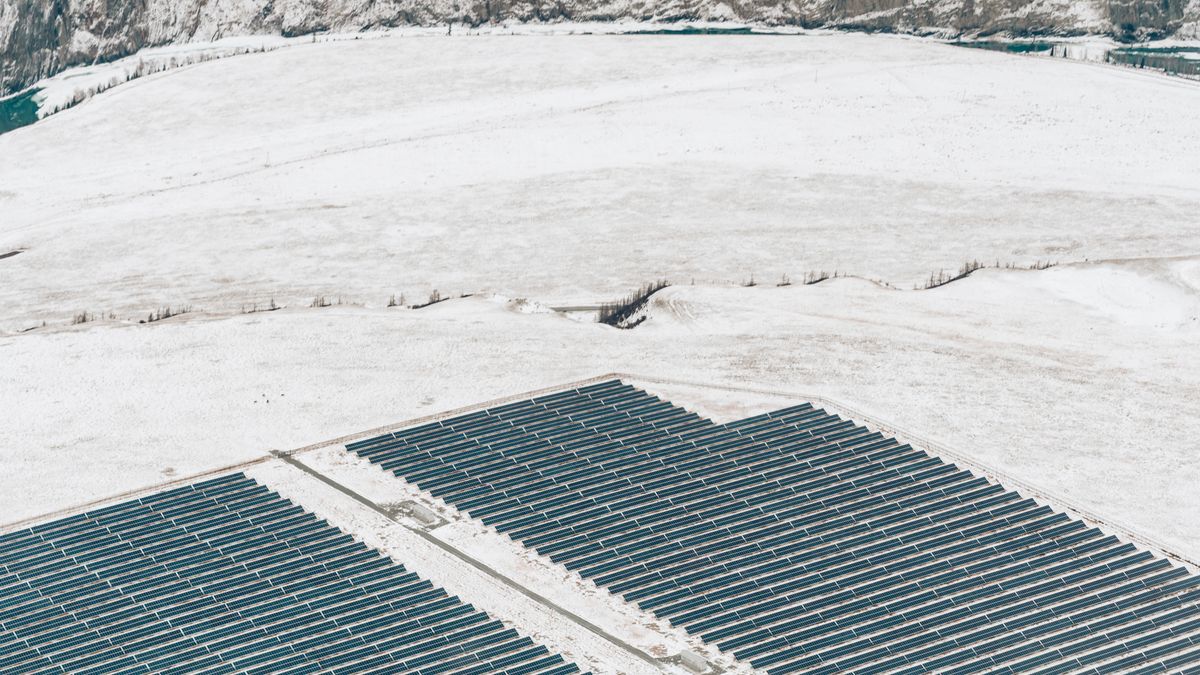
One of the most common worries about solar is simple: what happens when the weather turns? Short days, grey skies, and snow all sound like bad news for a technology that runs on sunlight. The reality is more reassuring than most people expect. Panels keep working through winter and clouds, just at a lower level, and the system is designed around that from the start.
The key fact: panels run on light, not heat
Solar panels convert light into electricity, not warmth. This surprises people, because we associate solar with hot summer days. But cold actually makes the underlying electronics a little more efficient. A bright, freezing winter afternoon can be an excellent solar day.
What clouds actually do
Clouds reduce output, but they don’t switch it off. On an overcast day, panels typically produce somewhere around 10 to 25% of their peak, depending on how heavy the cloud is. That’s because a lot of usable light still reaches the ground as diffuse daylight, even when you can’t see the sun directly.
This is exactly why cloudier countries still run plenty of solar successfully. The systems are sized for the local climate, so the cloudy days are already baked into the expected yearly total.
The real winter challenge: shorter days
The bigger seasonal effect isn’t cold or clouds, it’s daylight length. In winter the sun is up for fewer hours and sits lower in the sky, so there’s simply less light to collect. Production naturally dips in the darkest months and peaks in summer.
Good system design handles this by sizing for your whole year, not one season. Summer surplus and winter shortfall balance out across the calendar, especially where net metering lets you bank summer credits for winter use.
What about snow?
Snow is the one weather event that can genuinely stop production, because a thick layer blocks light completely. But it’s usually short-lived:
- Panels are dark and mounted at an angle, so they warm up and shed snow faster than the roof around them.
- A light dusting often slides or melts off within hours of sunlight.
- Because winter is already a low-production season, a few fully snowed-in days have a small effect on the yearly total.
You generally should not climb onto an icy roof to clear panels. The risk to you outweighs the modest energy you’d recover.
Does cold damage panels?
No. Panels are tested and rated to operate across a wide temperature range, including hard frosts. Quality panels carry decades-long warranties precisely because they’re built to survive real weather, year after year.
How to think about it before buying
The honest way to judge winter performance is to look at the annual estimate, not a single day:
- A reputable installer sizes your system using local sun data that already accounts for your winters and cloud cover.
- Expect a clear seasonal curve: less in winter, more in summer.
- Judge the system by whether the yearly total meets your needs, not by one grey afternoon.
Bottom line
Solar panels work in winter and under clouds. They produce less on short, grey, or snowy days, but they keep generating, and cold weather itself is no problem. What matters is the yearly total, which good design already balances across the seasons. To understand the science behind why light alone is enough, see how solar panels work.
Actual seasonal output depends on your climate, roof angle, and shading. Confirm local production estimates with an installer before deciding.