How to Choose the Best Solar Panels: What Actually Matters
Efficiency, warranty, temperature rating, and the installer matter more than the brand name. Here is how to compare solar panels without the marketing noise.
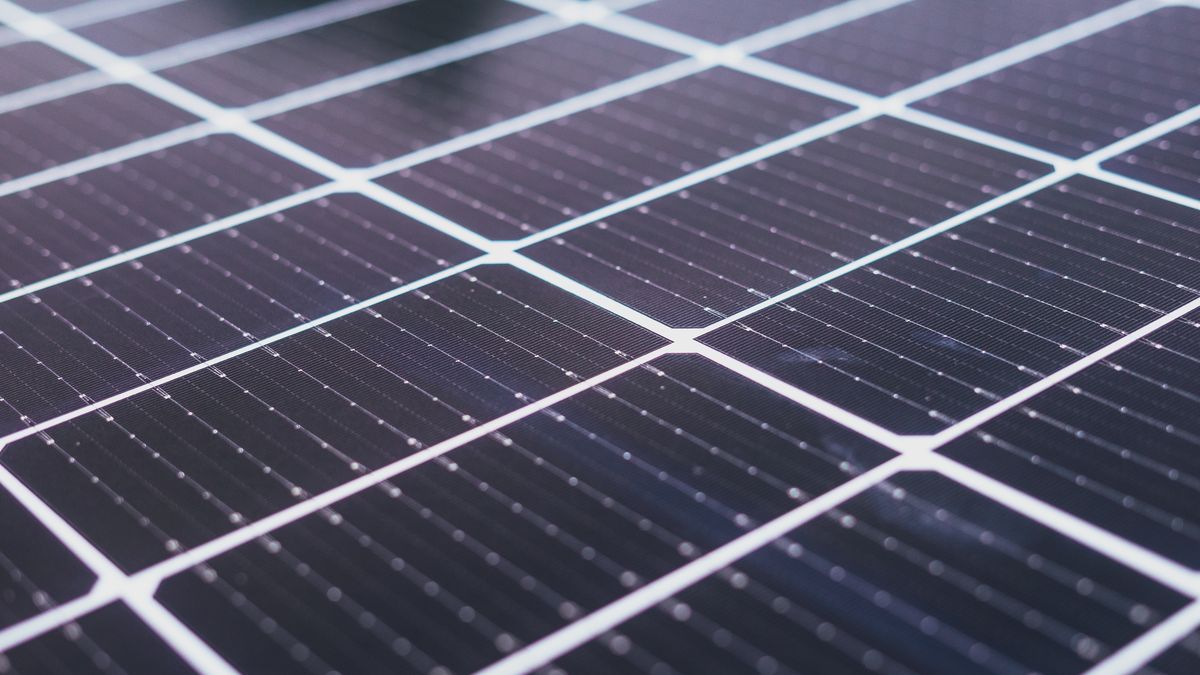
Shopping for solar panels can feel like being handed a spec sheet in a foreign language. Efficiency percentages, temperature coefficients, tier rankings, warranty years. Most of it is noise, and a few things genuinely decide whether you get a good system. Here is how to compare panels the way an informed buyer would, without getting lost in the marketing.
The uncomfortable truth first
The single biggest factor in how well your system performs is not the panel brand. It is the quality of the installation. A mid-range panel installed well by a careful company will outperform a premium panel installed badly. So while the specs below matter, treat the installer as at least as important as the equipment.
What actually matters on the spec sheet
1. Efficiency
Efficiency is the percentage of sunlight a panel converts to electricity. Modern panels are typically 19 to 23%. Higher efficiency means more power from less roof space.
- If your roof is small or shaded, higher efficiency is worth paying for.
- If you have plenty of roof, a slightly lower efficiency panel can be a better value, since you can just fit one or two more.
2. Warranty (two kinds)
Panels carry two warranties, and both matter:
- Product warranty: covers defects in the panel itself. Look for 25 years; budget panels sometimes offer only 10 to 12.
- Performance warranty: guarantees the panel still produces a set percentage of its original output after 25 years, usually around 85 to 90%.
A long, clearly worded warranty from a company likely to still exist in 20 years is worth more than a slightly higher efficiency number.
3. Temperature coefficient
Panels lose efficiency as they get hot. The temperature coefficient tells you how much. A number closer to zero (for example, -0.29% per degree versus -0.40%) means the panel copes better with heat. This matters most in hot climates, where a poor coefficient quietly eats summer production.
4. Degradation rate
All panels slowly lose output over time, typically around 0.5% per year. Premium panels degrade a little slower. Over 25 years this adds up, but it is a minor factor next to warranty and installation quality.
Panel “tiers”: what they do and don’t mean
You will see panels described as “Tier 1.” This is a financial ranking of the manufacturer’s bankability, not a measure of panel quality. It tells you the company is large and likely to honor its warranty, which is useful, but a Tier 1 label does not by itself mean the panel is the best performer. Don’t treat it as a quality score.
A simple way to compare quotes
When installers hand you different panels, line them up on just these points:
| Compare | Good sign |
|---|---|
| Efficiency | 20%+ for tight roofs; 19%+ is fine with space |
| Product warranty | 25 years |
| Performance warranty | ~85 to 90% at 25 years |
| Temperature coefficient | Closer to zero, especially in hot areas |
| Manufacturer | Established, likely to last 20+ years |
| Installer | Experienced, well reviewed, clear quote |
If two quotes are close on panels, let the installer’s reputation and the price-per-watt break the tie.
Don’t over-optimize
It is easy to spend weeks agonizing over a 1% efficiency difference that changes your yearly output by a rounding error. Once a panel clears the basics (solid warranty, reputable maker, decent efficiency), the bigger decisions are how many you fit and who installs them. For that, see how many solar panels you need and our breakdown of what solar costs.
What to prioritize
The best solar panel for you is a reputable, well-warrantied panel with efficiency suited to your roof, fitted by a careful installer. Chase warranty and installation quality first, efficiency second, and ignore most of the rest of the marketing. Get the fundamentals right and the brand-name debate barely matters.
Panel specifications and available models change over time. Confirm current specs and warranties with your installer before deciding.