Solar Options for Renters and Apartments: What You Can Actually Do
You can't bolt panels to a roof you don't own, but renters and apartment dwellers still have real options: community solar, plug-in panels, and cutting usage.
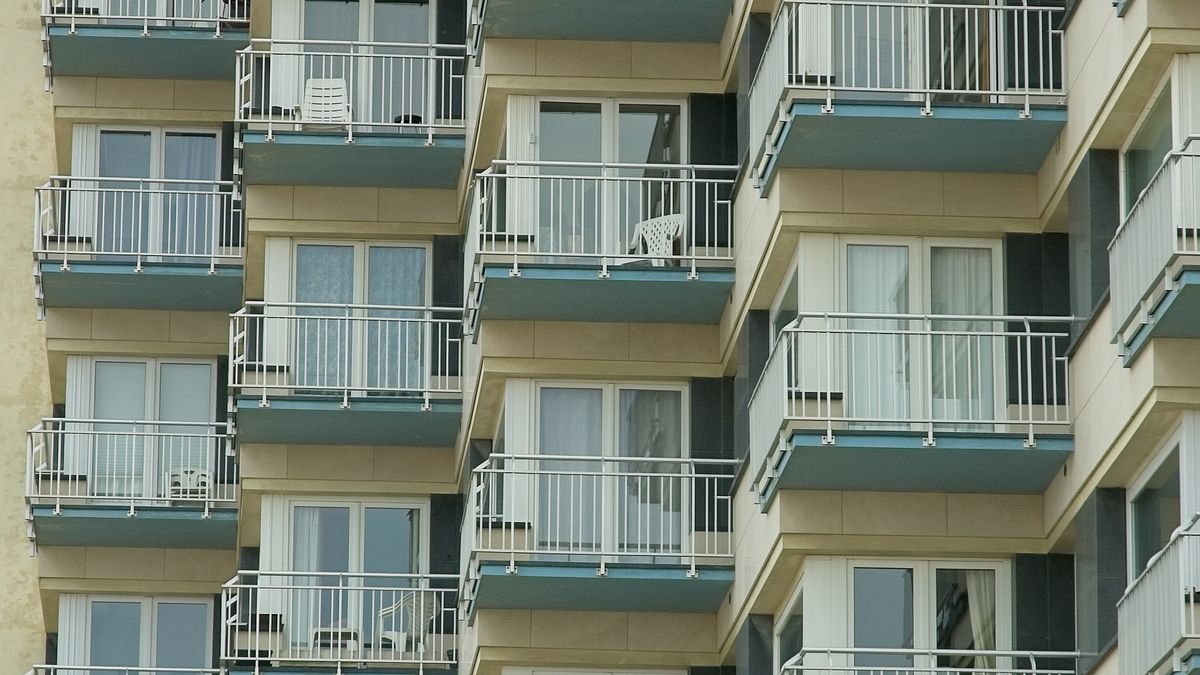
Almost every solar guide assumes you own a house with a sunny roof. If you rent, or live in an apartment, that advice is useless, and mildly infuriating. The good news: you are not shut out of solar or of lower energy bills. You just have a different set of options. Here is what actually works when you don’t own the roof.
The core problem
Rooftop solar is a long-term investment fixed to a building. You won’t spend thousands bolting panels to a roof you don’t own and can’t take with you, and your landlord usually won’t either. So the goal shifts: instead of generating power on your own roof, you find other ways to buy clean power or cut what you use.
Option 1: Community solar
This is the standout option for many renters. Community solar lets you subscribe to a share of a larger solar installation built somewhere else (a field, a warehouse roof) and receive credits on your electricity bill for the power your share produces.
- No hardware, no roof, no big upfront cost. You subscribe, like a service.
- Portable. If you move within the same utility area, you can often keep it.
- Availability varies. Community solar exists in some regions and not others, so check whether a program serves your area and utility.
If it’s available where you live, community solar is usually the easiest way for a renter to get solar’s benefit.
Option 2: A green energy tariff
Many utilities and suppliers offer a plan where your electricity is matched with renewable generation, sometimes including solar. You don’t generate anything yourself, but your money supports clean power and you may lock in a competitive rate. It’s the simplest switch of all: a phone call or a few clicks, nothing to install.
Option 3: Small plug-in and portable solar
You can’t re-roof the building, but you can use small-scale solar for parts of your life:
- Portable solar panels and power stations for balconies, patios, camping, or charging devices and small appliances.
- Plug-in “balcony” solar kits, which are legal and increasingly popular in some countries and restricted in others. Check your local rules and your lease before buying one.
These won’t run your whole home, but they can trim usage and are yours to take when you move.
Option 4: Ask your landlord (with the right pitch)
If you’re a long-term tenant, it can be worth raising solar with your landlord, framed around their interest: solar can raise a property’s value and appeal. You won’t fund it, but you might plant the idea. It’s a long shot, but it costs nothing to ask.
Option 5: The thing everyone can do, cut usage
Whether or not you can get solar, every renter can lower their bill by using less, and it requires no landlord permission:
- Switch to LED bulbs (take them with you when you leave).
- Kill “vampire” standby loads with smart power strips.
- Wash in cold water, run appliances efficiently, and manage heating and cooling.
We cover this in detail in cutting your electricity bill without solar. For renters, this is often the biggest, most reliable saving available.
The practical takeaway
Renting or living in an apartment doesn’t lock you out of solar. Community solar is the strongest option where it exists, a green tariff is the simplest, and portable kits plus cutting your usage put real savings within reach, all without owning a roof. Start by checking for community solar in your area, then squeeze your usage, which no one can stop you from doing.
Program availability, balcony-solar legality, and tariffs vary widely by location. Confirm what’s offered and permitted where you live before committing.