Solar Tax Credits and Incentives: How to Find What You Qualify For
Tax credits, rebates, and net metering can cut solar costs sharply, but they vary by location and change often. Here is how the main types work and how to check.
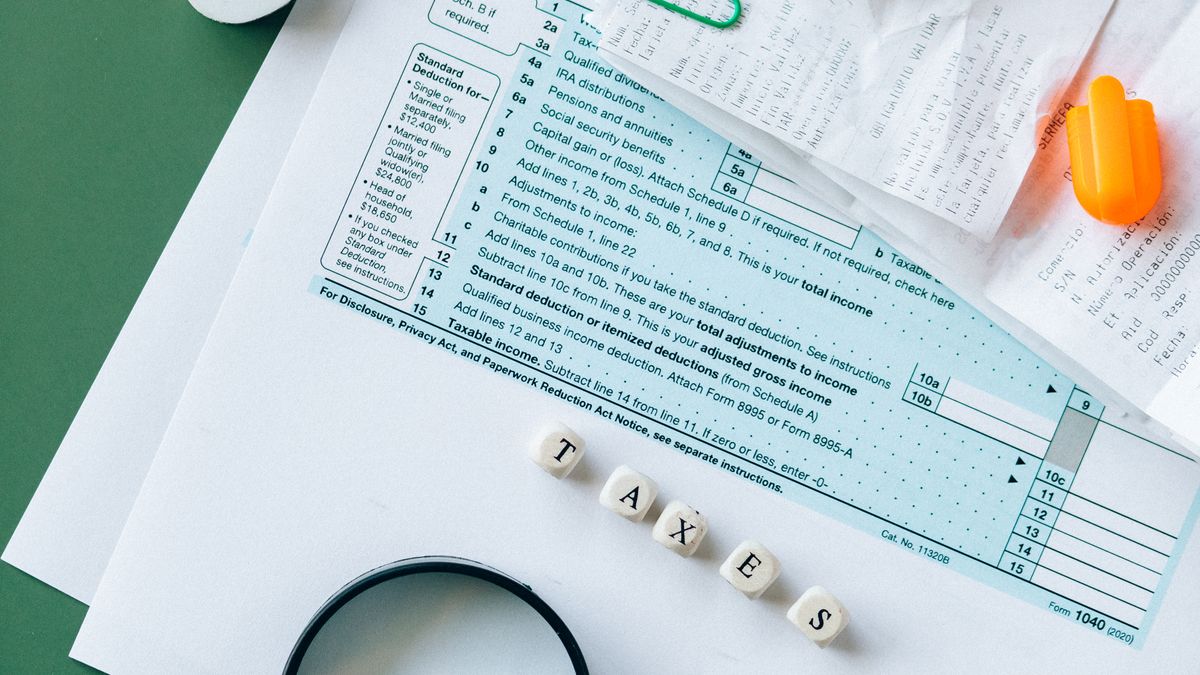
Incentives can turn a borderline solar decision into an easy one. They can also be wildly oversold by salespeople quoting a best case you may not qualify for. The programs change often and vary by country, region, and utility, so this guide explains the types of incentive and how to check what genuinely applies to you, rather than quoting numbers that will be out of date next year.
Why we won’t quote you a figure
Incentive amounts and rules change on their own schedule, and what your neighbor got may not be what you get. So instead of a number that could mislead you, here is what to look for, and where to confirm it.
The main types of solar incentive
1. Tax credits
A tax credit reduces the tax you owe by a percentage of your system cost. This is often the largest single incentive where it exists. Two things to check:
- Do you owe enough tax to use the whole credit? A credit only helps if you have a tax liability to offset (though some programs let you carry it forward).
- What counts toward the credit: often the panels, inverter, and installation, and sometimes a battery.
2. Rebates
A rebate is money back, either from a government body or your utility, usually as a fixed amount or a rate per watt. Rebates often have limited budgets and can run out partway through a year, so timing matters.
3. Performance payments and net metering
Rather than cutting the upfront cost, these reward the energy your system produces or exports:
- Net metering credits you for surplus power sent to the grid. How generous it is hugely affects your payback. See our guide on what net metering is.
- Feed-in tariffs or export payments pay a set rate for exported energy.
4. Property and sales tax breaks
Some places make solar exempt from added property tax (so the value it adds isn’t taxed) or waive sales tax on the equipment. These are quiet but real savings that a good installer will know about.
5. Financing-based incentives
Low-interest loans or property-linked financing can lower the effective cost of going solar. These help cash flow but are not free money, so weigh the interest against the benefit.
How to find what you actually qualify for
- Check official government energy sites for your country and region. These are the authoritative source, not a sales brochure.
- Ask your utility directly about net metering, export rates, and any rebates. Utility rules vary even within the same region.
- Ask installers to itemize which incentives they have applied to your quote, and to show the price before and after. A reputable installer will do this without fuss.
- Confirm eligibility conditions: ownership (leased systems often send the incentive to the leasing company), income limits, deadlines, and budget caps.
The catch with leased systems
If you lease your panels or use a power-purchase agreement, the company usually keeps the tax credits and rebates, not you. That is a major reason buying (cash or loan) captures more value. See lease vs buy for the full comparison.
What to do next
Solar incentives come in a few clear types: tax credits, rebates, performance payments, tax breaks, and financing help. Any of them can meaningfully cut your cost, but the rules change and vary by location, so verify with official sources and your utility before trusting a quoted “after incentives” price. Once you know what applies, plug your real net cost into our cost calculator to see your payback.
Incentive programs, amounts, and eligibility change frequently and differ by location. Confirm current rules with official government and utility sources before deciding.