Monocrystalline vs Polycrystalline Solar Panels: Which Should You Get?
Monocrystalline panels are more efficient and now dominate the market; polycrystalline are cheaper but fading. Here is the real difference and which to choose.
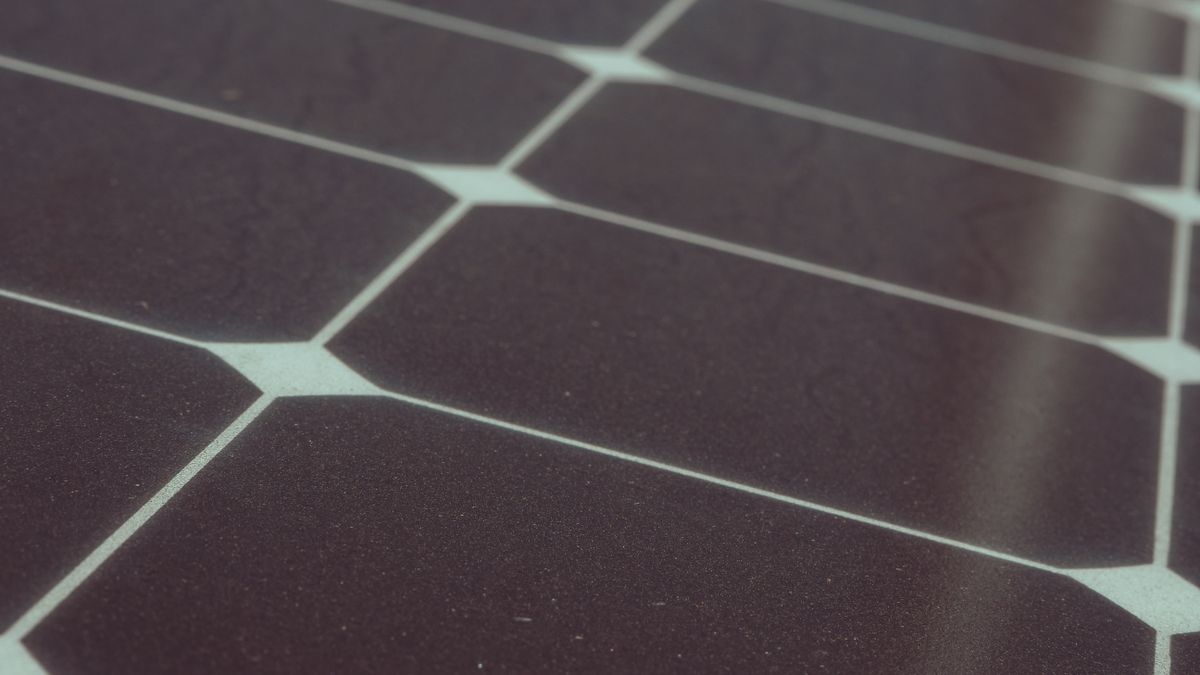
If you’re comparing panels, you’ll quickly hit two words: monocrystalline and polycrystalline. They’re the two main types of traditional silicon solar panel, and installers and forums treat the choice as a big deal. In practice the decision is simpler than it looks, and the market has largely made it for you.
The one-minute version
- Monocrystalline panels are more efficient, look uniformly black, and cost a little more. They now dominate home installations.
- Polycrystalline panels are slightly cheaper, look blue and speckled, and are less efficient. They are steadily being phased out for home use.
For most new home systems today, you’ll be offered monocrystalline, and that’s usually the right call. Here’s why.
What the words actually mean
Both types are made from silicon; the difference is how the silicon is formed:
- Monocrystalline cells are cut from a single, pure silicon crystal. That purity lets electrons move more freely, which means higher efficiency. The single-crystal structure gives the cells their even black appearance.
- Polycrystalline cells are made by melting many silicon fragments together. It’s cheaper to manufacture, but the boundaries between crystals slightly reduce efficiency and give the panels their blue, flecked look.
Side-by-side
| Factor | Monocrystalline | Polycrystalline |
|---|---|---|
| Efficiency | Higher (roughly 20 to 23%) | Lower (roughly 15 to 18%) |
| Cost per panel | A little higher | A little lower |
| Appearance | Uniform black | Blue, speckled |
| Space efficiency | Better (more power per panel) | Needs more roof for same output |
| Performance in heat | Generally slightly better | Slightly worse |
| Market trend | Now the standard | Being phased out |
Why monocrystalline won
A few years ago, polycrystalline was popular because it was clearly cheaper. But manufacturing improvements have narrowed the price gap while monocrystalline kept its efficiency edge. The result: monocrystalline now offers better value for most buyers, and most manufacturers have shifted their home lineups toward it. You may still see polycrystalline on very budget systems or large ground-mounted projects with cheap land, where space is not a constraint.
When polycrystalline still makes sense
- You have abundant space (a big roof or ground mount) and want the lowest upfront cost per panel.
- You’re offered a genuinely good price and the lower efficiency doesn’t stop you fitting enough panels to meet your needs.
Otherwise, the small extra cost of monocrystalline usually pays for itself in saved space and slightly better output.
Don’t forget: type matters less than you think
Choosing between these two is a smaller decision than picking a good installer and a solid warranty. Once you’ve settled on monocrystalline (as most people will), put your energy into the things that matter more, covered in how to choose solar panels.
The verdict
Monocrystalline panels are more efficient, better in tight spaces, and now the market standard, which makes them the right choice for most home installs. Polycrystalline still has a niche where space is cheap and budget is tight, but for a typical roof the small premium for monocrystalline is worth it. Either way, the installer and warranty matter more than the crystal type. To size your system next, see how many panels you need.
Panel technology and pricing continue to change. Confirm the current options and prices with your installer before deciding.